
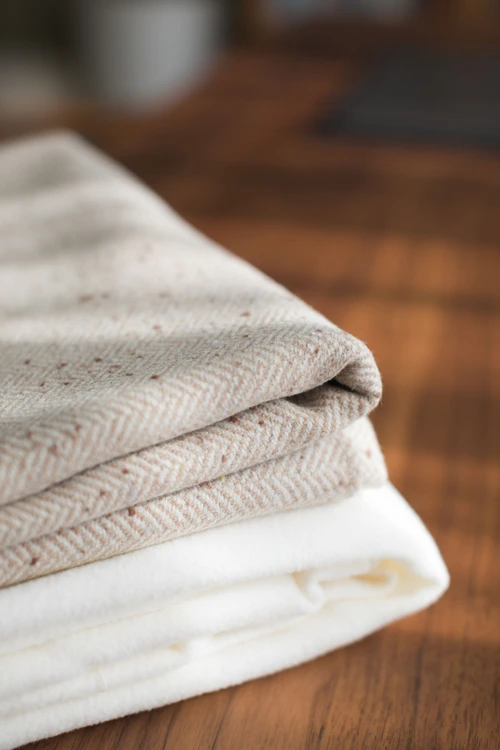
How to Store Wool Bedding During Off-Season (So It Comes Out Fresh Next Year)
20th Nov 2026
The weather is warming up, and your thick winter quilt is starting to feel like a hot water bottle you can’t switch off. Time to pack it away. The good news is that wool is a tough natural fibre, so storing it isn’t hard.
The not-so-good news? A few common shortcuts, like squashing it into a vacuum bag, can leave you with a flat, musty quilt come autumn.
Step 1: Air Out Your Wool Quilts First
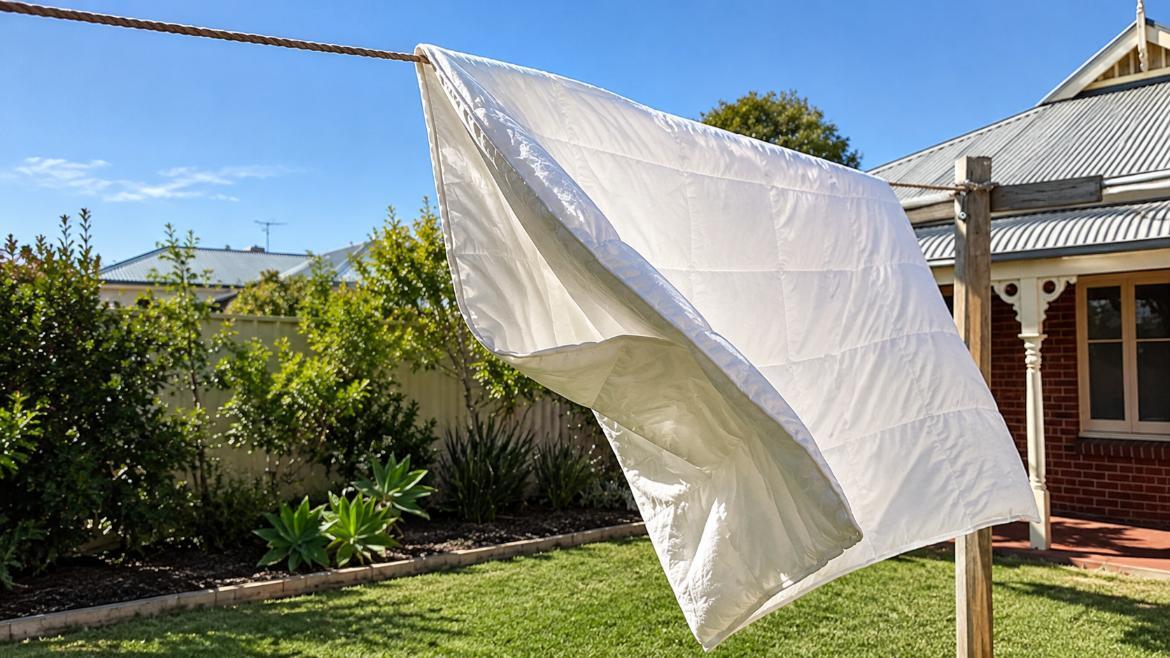
Before anything gets packed, hang your wool quilts outside on a dry, breezy day. A shady spot is best, since you want fresh air more than strong sun. A few hours is usually plenty. Wool naturally takes in moisture vapour from your body over the season, and airing lets it release that moisture and bounce back.
Give the quilt a good shake while you’re at it. It helps the fill fluff up again and removes any dust that has settled.
Step 2: Check the Care Label and Wash if It Needs It
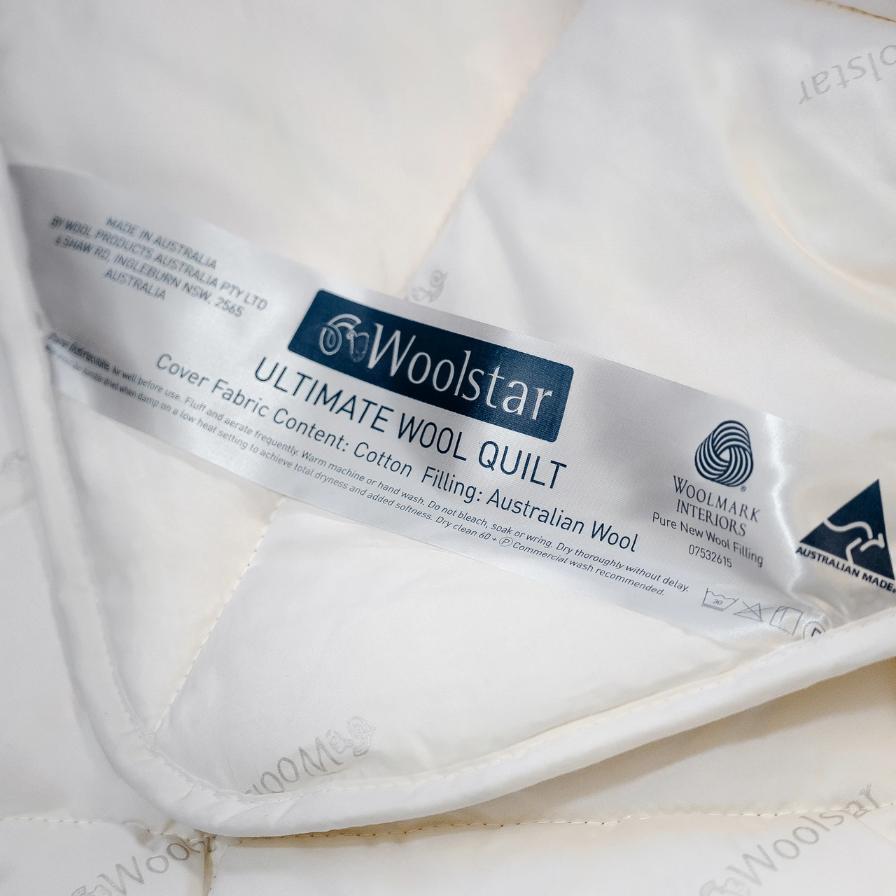
Have a look at the label. Some wool quilts are machine washable, like Woolstar’s Easywash styles, and others need gentler treatment. Wool doesn’t need washing often, but the end of winter is a good time to freshen it up if it has had a hard season.
The one rule that matters: it has to be completely dry before it goes away. Damp wool shut in a cupboard is a recipe for that stale smell nobody wants to open in May.
Step 3: Pick a Breathable Bag, Not a Sealed One
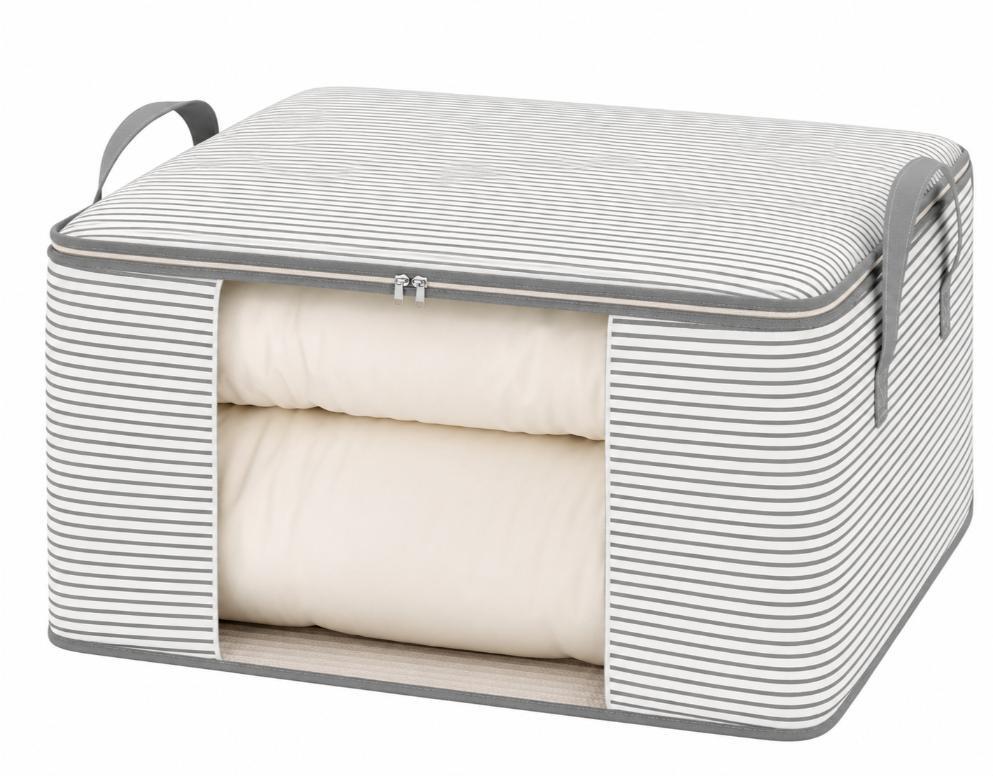
This is where most people go wrong. Skip the vacuum bags and sealed plastic tubs. Wool is a living, breathing fibre, and trapped air and moisture can lead to mildew and a flattened fill. Squashing it down tight also takes the loft out.
What works better:
- A cotton or calico storage bag
- A spare quilt cover or clean cotton sheet, wrapped around the quilt
- A big pillowcase, for smaller items like wool toppers or throws
Step 4: Keep the Moths Away
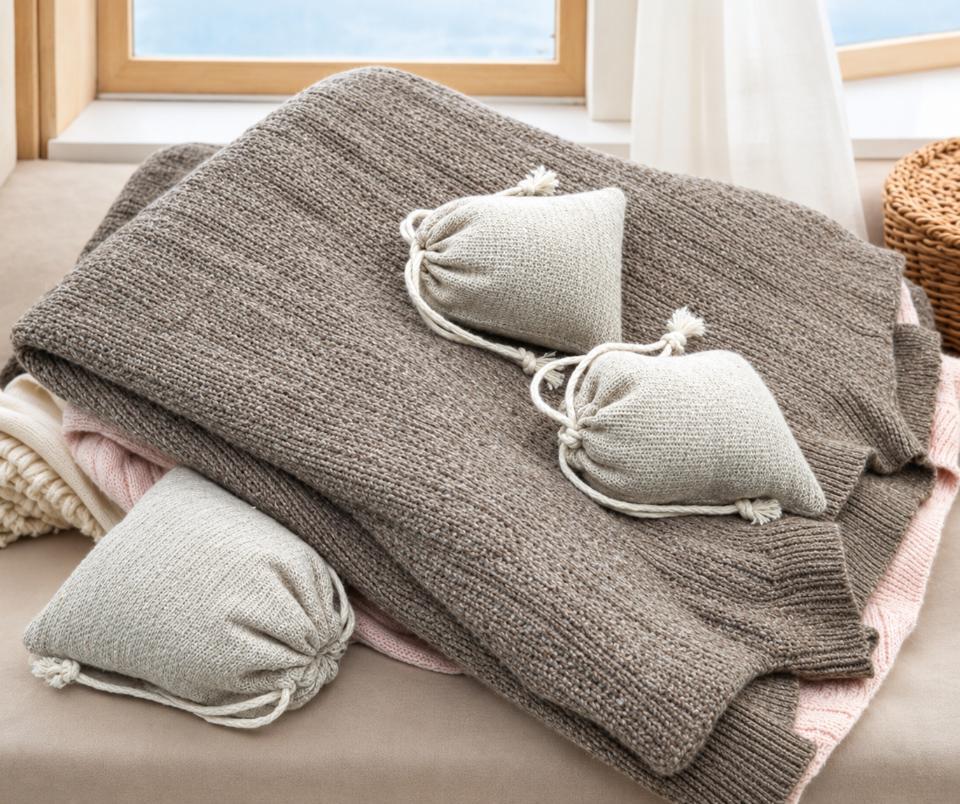
Moths love natural fibres, but they are really after body oils, sweat and food spills, not clean wool. So a clean quilt is your best defence. Add a few cedar blocks or a lavender sachet to the bag for extra backup, and keep them away from direct contact with the fabric.
Step 5: Fold It Loosely and Don’t Stack Heavy Things on Top
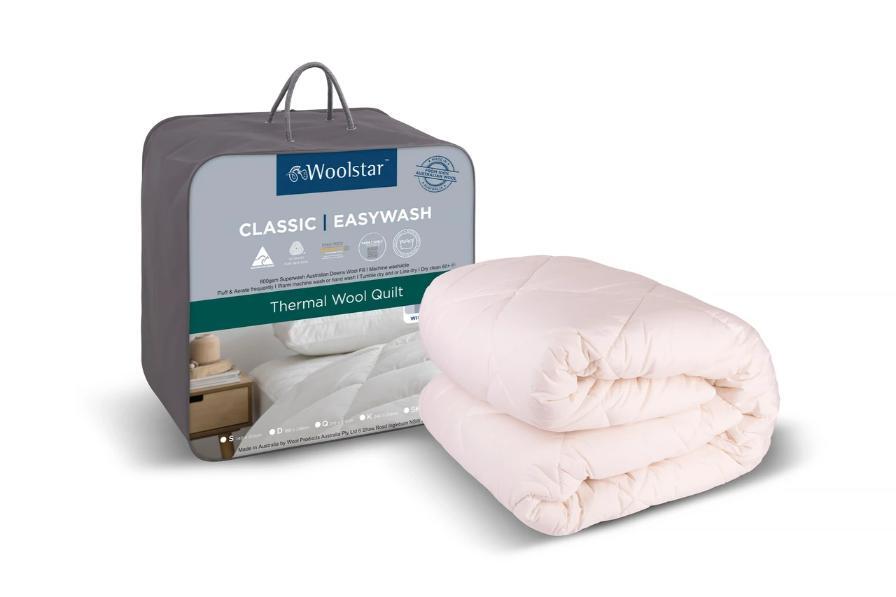
Fold your quilt loosely, without cramming it into the smallest space you can find. Rolling it tightly or sitting a heavy box on top can squash the fibres and flatten the fill. A shelf with a bit of breathing room is ideal.
Step 6: Find a Cool, Dry Home for It
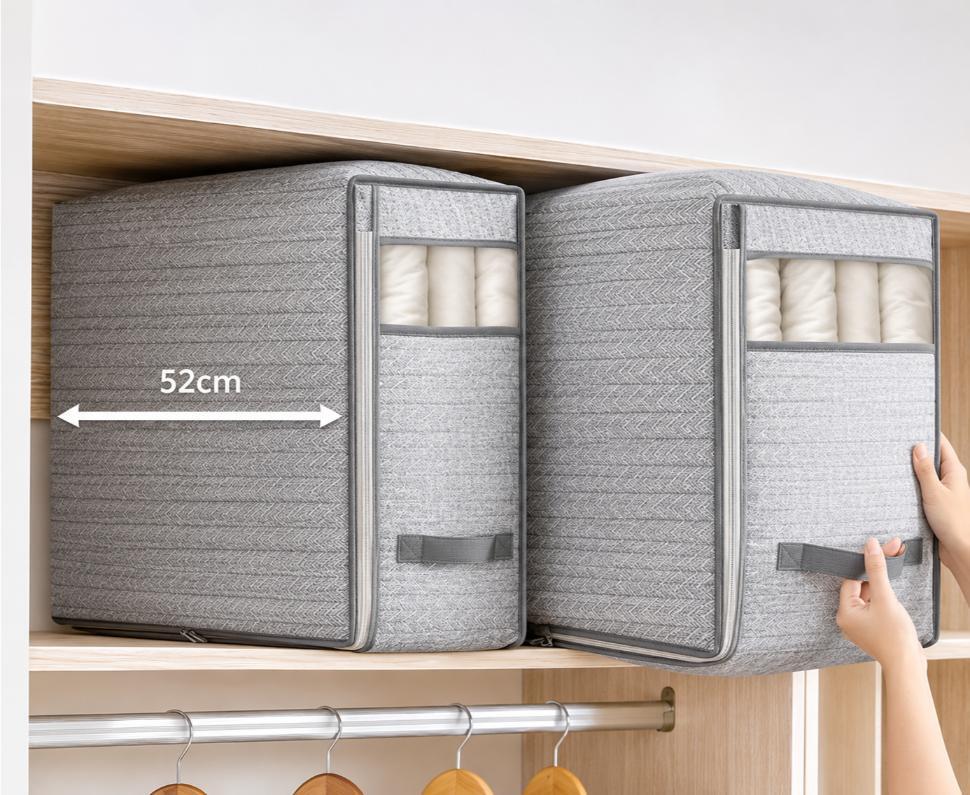
The best spots are cool, dry and dark, like a linen cupboard or the top of a wardrobe. Garages, sheds and under the house tend to get damp or very hot, which isn’t kind to any natural fibre. If you only have a few options, pick the spot that feels the driest and the least stuffy.
What About Your Mattress Protector?
Here is a bit of good news: you don’t have to pack everything away. A mattress protector is meant to stay on the bed all year, guarding your mattress through every season. Wash it as the care label says, and you’re done. One less thing to store!
Time to Bring Out the Summer Doona
Once your winter quilts are tucked away, it’s time for something lighter. A summer doona sits around 300 gsm, which keeps it breathable on warm nights. If you would like one quilt that covers most of the year, an all-season quilt at about 400 to 450 gsm suits most Australian climates, apart from the coldest spots.
Quick cheat sheet:
- Summer: around 300 gsm, light and airy
- All season: around 400 to 450 gsm, medium weight
- Winter: 500 to 550 gsm, warm and lofted
Not sure which weight suits your home? Browse the range of wool quilts and compare them side by side. If you’re after something for the cold months, the winter quilts are worth a look, and the summer doona options are there when the heat arrives.
Mistakes to Avoid When Storing Wool Quilts
- Storing it damp: This one causes the most problems. Always dry it fully.
- Using vacuum bags: They squash the fill and trap moisture.
- Skipping the airing: Even a clean quilt benefits from a few hours outside.
- Using mothballs: They can leave a strong smell that hangs around. Cedar or lavender is gentler.
- Forgetting it’s there: Put a reminder in your phone for autumn so you can air it before you need it.
Bringing It Back Out Next Winter
When the cold returns, take your quilt out a day or two before you need it. Give it a shake, hang it outside for an hour or two, and let the fill fluff up. If it smells a little stuffy, a longer airing will usually fix it. A full wash is only needed if the care label says so and it really needs one.
Stored this way, a good wool quilt should keep its loft for many years. Woolstar quilts are backed by a five-year guarantee, so they are made to last season after season. When you’re ready to refresh your bedding, you can buy wool products made in Ingleburn, NSW, with free shipping across Australia on orders over $149.